Staffing Anesthesia Safely During Veterinary Dentals
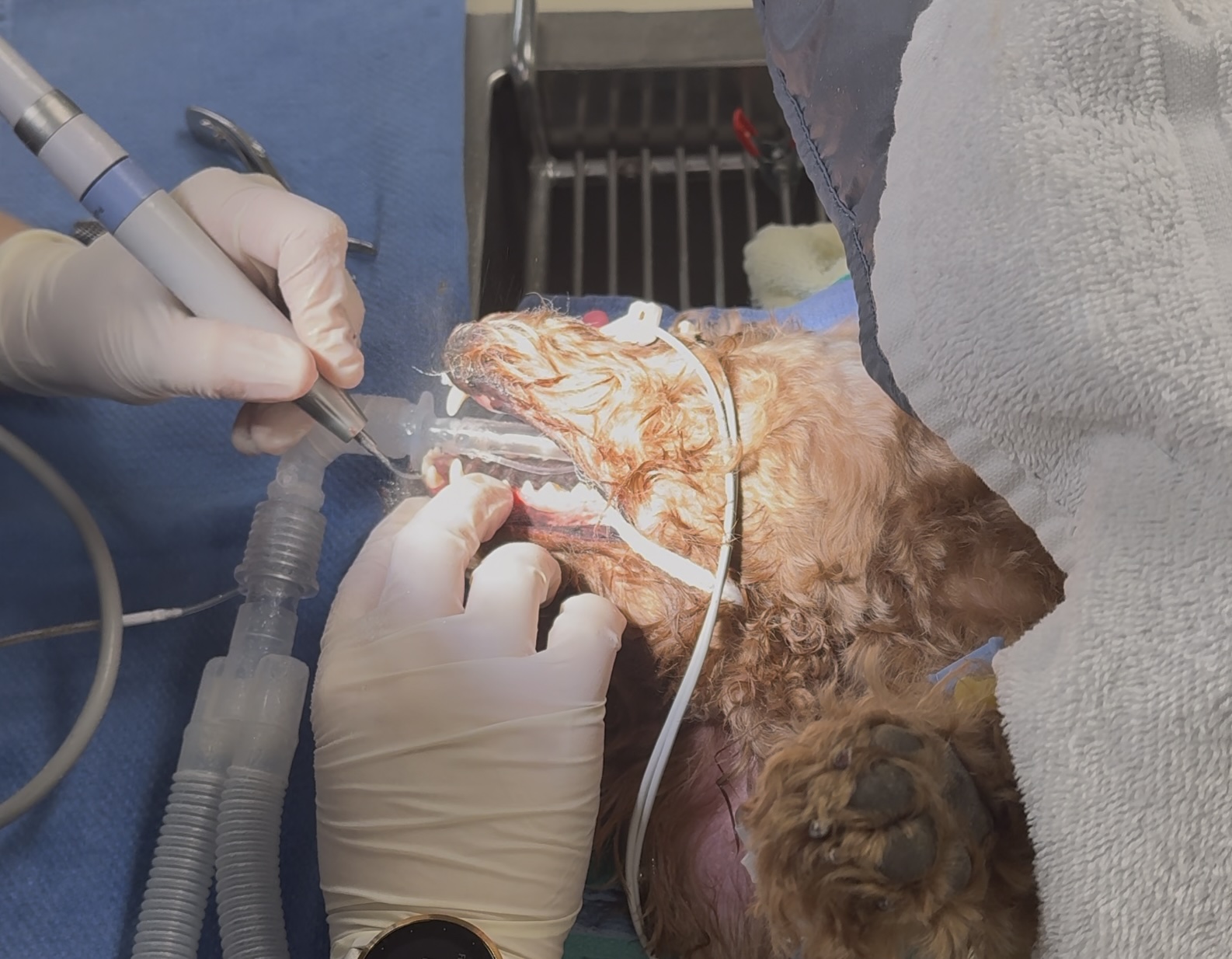
In a lot of general practices, the dental runs like this: one tech scales, polishes and takes radiographs while also glancing at the monitor and charting vitals. The DVM pops in for extractions and pops out while the case is finished.
It works most days. The problem is the day it does not.
Why dentals are a special risk
Dental patients are often older, and procedures can run long. The mouth is the surgical field, so the airway and the work area are in the same place. Patients get wet, which drives temperature down. And the tech's hands and eyes are inside the mouth, not on the patient.
Specialty dental hospitals often solve this by assigning one credentialed tech only to anesthesia while another does the dental work. One specialty practice describes exactly this split as part of its safety standard.
Options for general practice
I know not every clinic can staff two techs for every dental. Here are options at different levels:
- Dedicated anesthetist. One tech monitors only; another does the dental. Best for long cases and older or higher-risk patients.
- Shared role with a buddy check. One tech does both, and a second person checks vitals at set times. Best for short, healthy cases.
- Batched dental days. Schedule dentals on days with an extra tech. Best for practices with variable staffing.
- Assistant on cleaning, tech on anesthesia. A trained assistant scales under supervision while the credentialed tech monitors. Best in states where assistants can scale.
Check your state practice act for what assistants can and cannot do.
Make the risk visible
One simple step I recommend: score each dental patient's anesthetic risk at intake, for example using ASA status, and set a rule. Above a certain risk level, the case gets a dedicated anesthetist or it gets rescheduled.
Make charting lighter
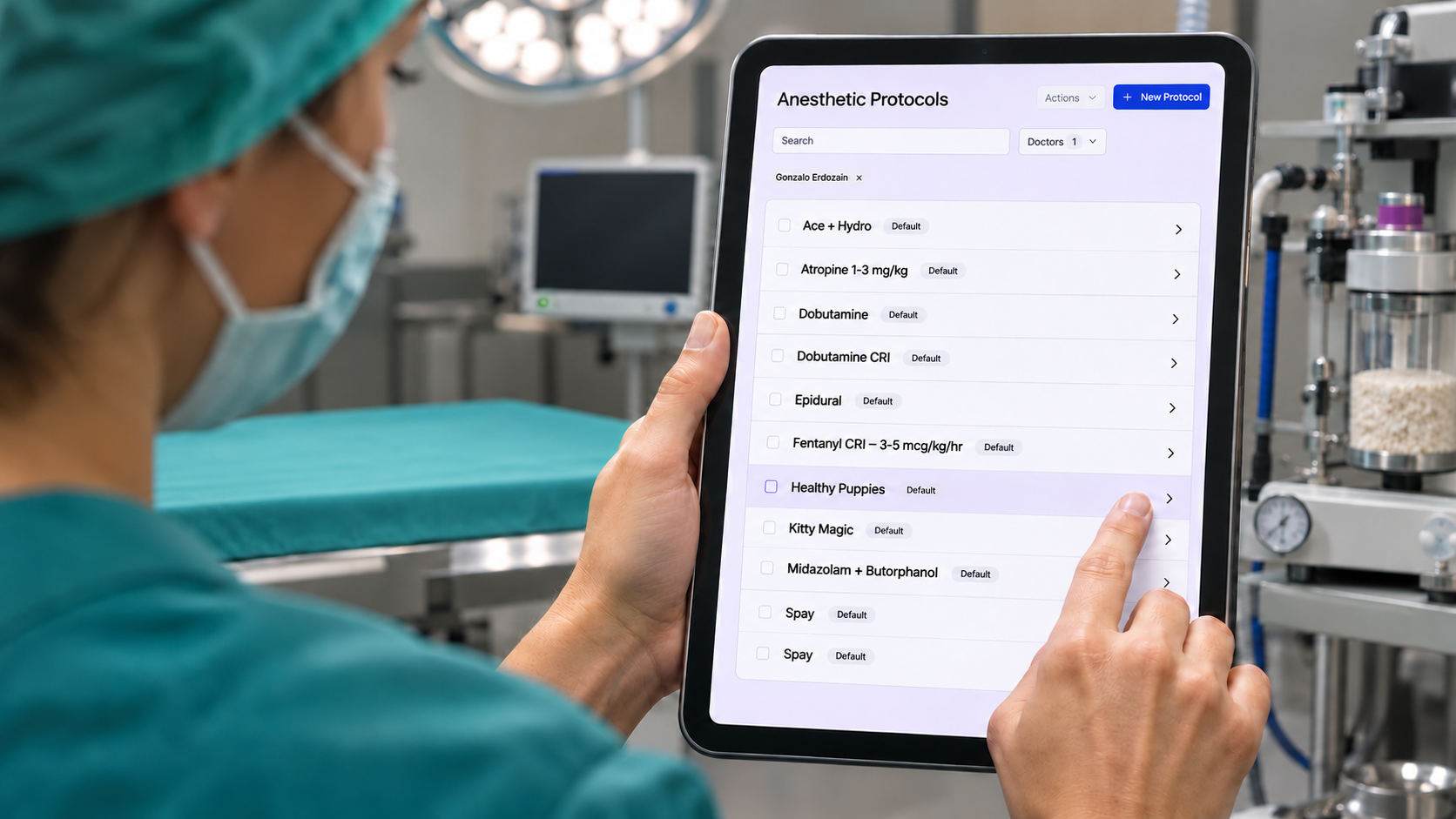
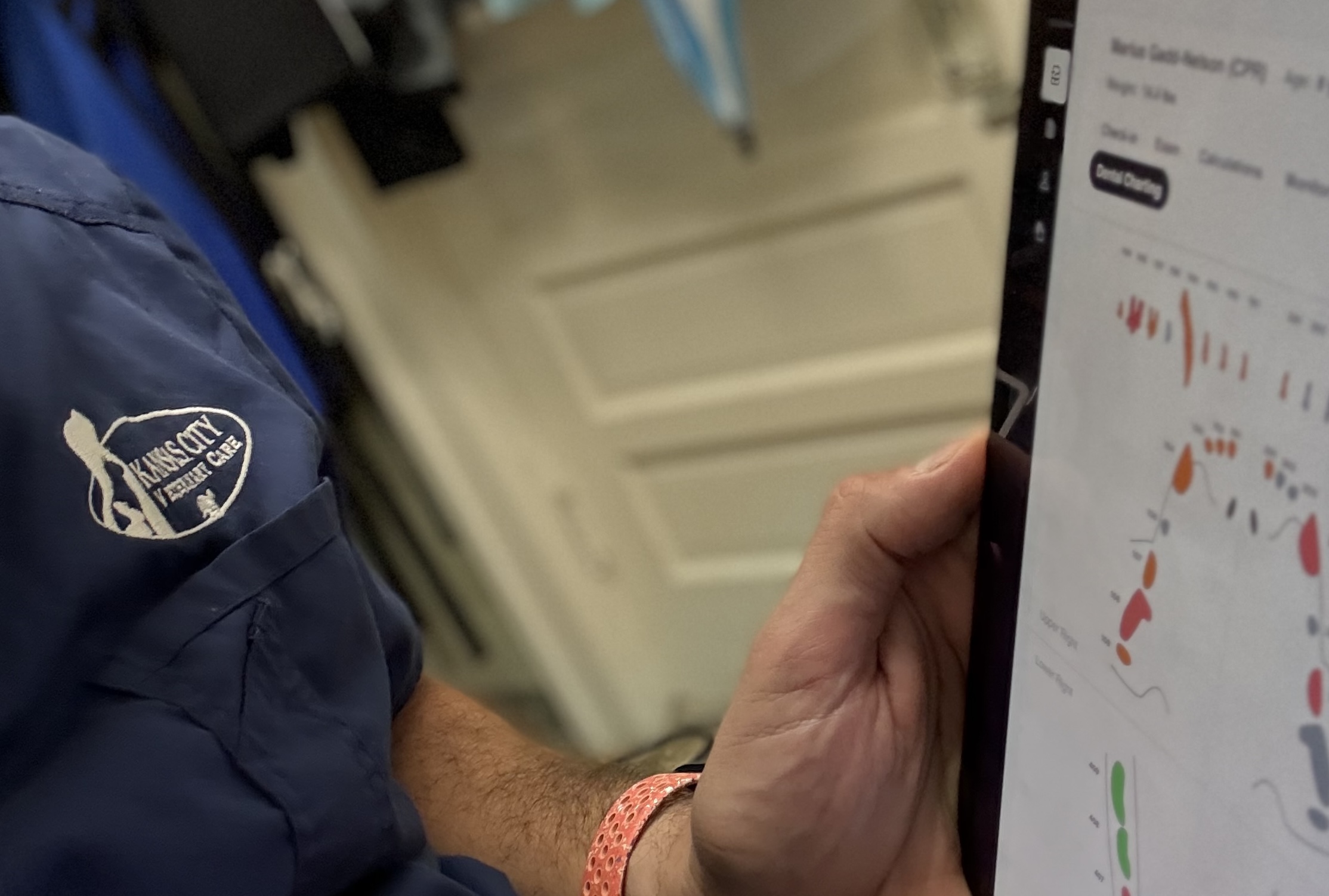
When one person must do both jobs, the record is the first thing to slip. Modern digital systems help here: an electronic anesthesia record that prompts at each interval, and dental scribing that lets the team chart by voice instead of by hand. Anything that reduces charting effort frees up attention for the patient.
The bottom line
We cannot always add staff. We can decide on purpose which cases need a dedicated anesthetist and make the rest as safe as possible.
At Scout, we combine dental charting and anesthesia records in one place, so the tech running a dental spends less time on paperwork and more on the patient. Book a demo
Next from Scout