Are Vessel Sealing Devices Worth It for General Practice? A Practical Buyer's Guide
Vessel sealing devices are showing up in more general practices, and vet techs are asking each other online whether they are worth it.
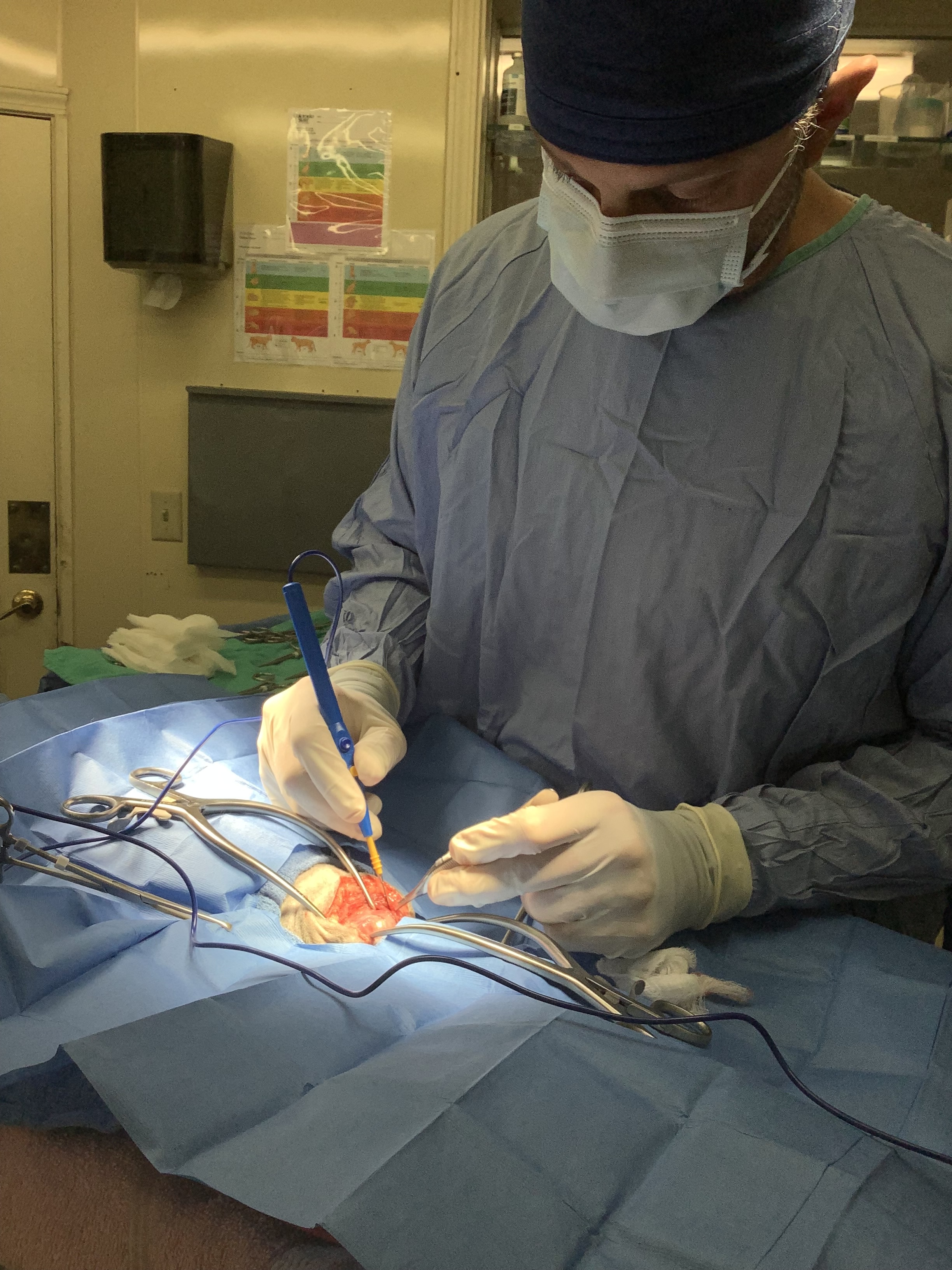
As a general practitioner who loves surgery, I am a big fan of my LigaSure. Between it and electrocautery, I use it on splenectomies and most of my soft tissue surgeries to achieve hemostasis. Good hemostasis improves visualization and prevents unnecessary blood loss, which matters most in lengthy procedures.
Whether one makes sense for your practice still depends on your caseload, your surgeons and how you measure value.
What a vessel sealing device does
A vessel sealing device uses bipolar energy and pressure to fuse vessel walls together, then cuts the sealed tissue. Instead of placing ligatures, the surgeon seals and divides in one step.
Common uses in small animal practice include spays (especially in large or deep-chested dogs), splenectomies, lung lobectomies, mass removals and some laparoscopic procedures.
Potential benefits
- Better hemostasis, which improves visualization and reduces blood loss, especially in long procedures.
- Shorter surgery time, which can mean shorter anesthesia.
- Less suture left in the body.
- Easier work in deep or tight spaces, such as a large-breed ovarian pedicle.
- Laparoscopic options the practice could not offer before.
Potential drawbacks
- Upfront cost for the generator and handpieces.
- Per-use cost if handpieces are single-use. Some practices reprocess them; check the manufacturer's guidance first.
- A learning curve for surgeons and the techs who set up and maintain the unit.
- Thermal spread to nearby tissue if used incorrectly.
Questions I would ask before buying
- How many cases a month would actually use it?
- Which surgeons will use it, and are they trained?
- What is the true per-case cost, including handpieces?
- Will you charge for it, and will clients accept the fee?
- Who handles cleaning, storage and troubleshooting?
Measure the result
Any equipment purchase should be judged on outcomes. Before you buy, pull baseline numbers on surgery time and anesthesia time for the procedures you expect it to help. Compare the same numbers three and six months later.
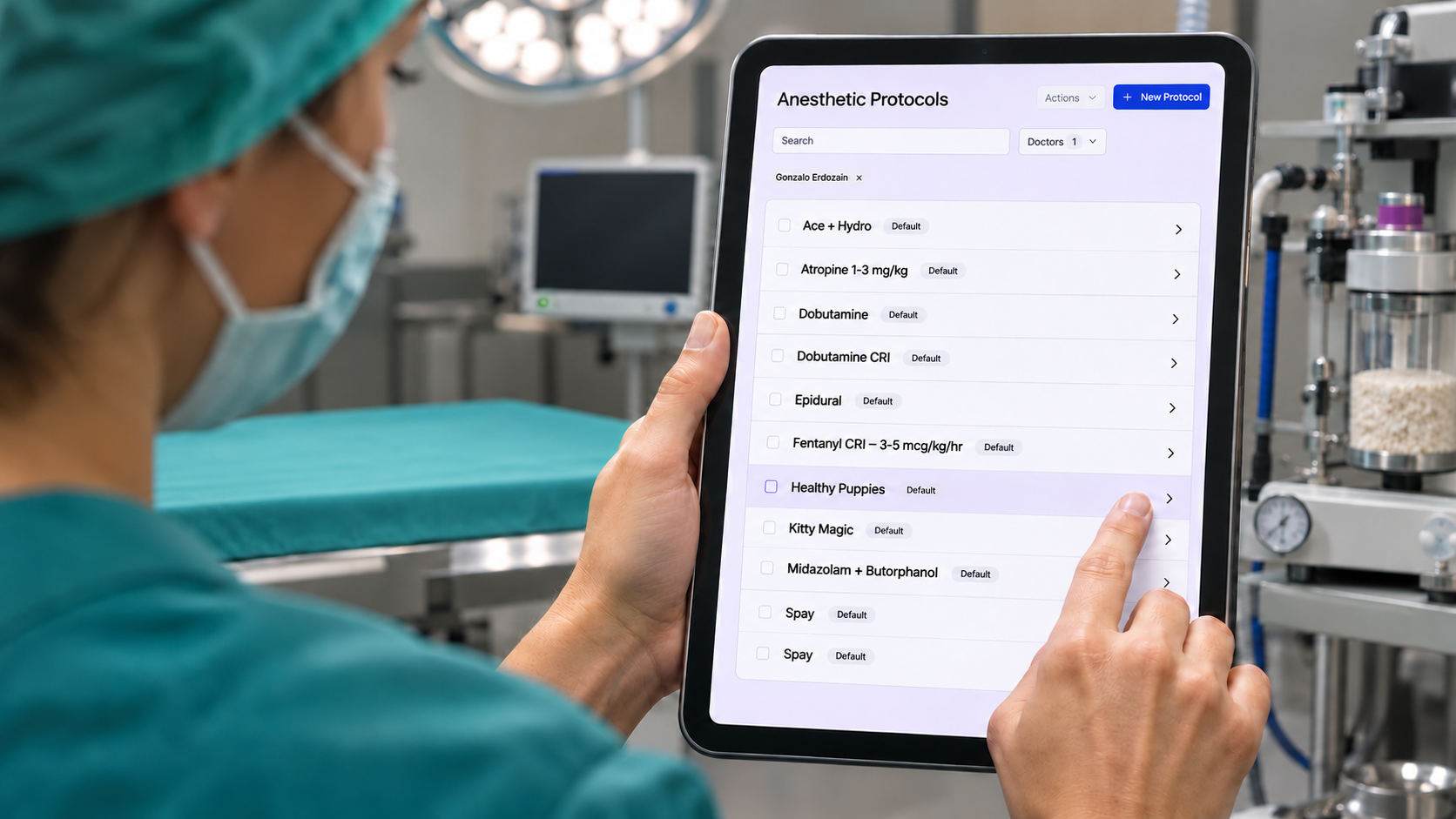
This is hard to do with paper anesthesia sheets. It becomes easy when surgical and anesthesia records are digital and searchable.
The bottom line
A vessel sealing device can be a great investment for a busy surgical practice. Decide on caseload and training, not hype, and measure the impact with real data.
At Scout, we track anesthesia and procedure times automatically, so you can see whether new equipment or protocols actually change outcomes. Book a demo
Next from Scout