Anesthesia and Dental Skills That Grow Your Vet Tech Career
Scroll through any vet tech community and you will see the same questions. How do I earn more? How do I stop feeling stuck? Is it time to leave the field?
Those questions are not just venting. In NAVTA's 2024 Demographic Survey, the average reported gross income was $53,759, and low income remained one of the biggest challenges techs named.
I can't fix pay across the profession in one blog post. But as a veterinarian who works alongside techs every surgery and dental day, I can tell you which skills make a tech hard to replace in general practice: anesthesia and dentistry.
Why these two skills stand out
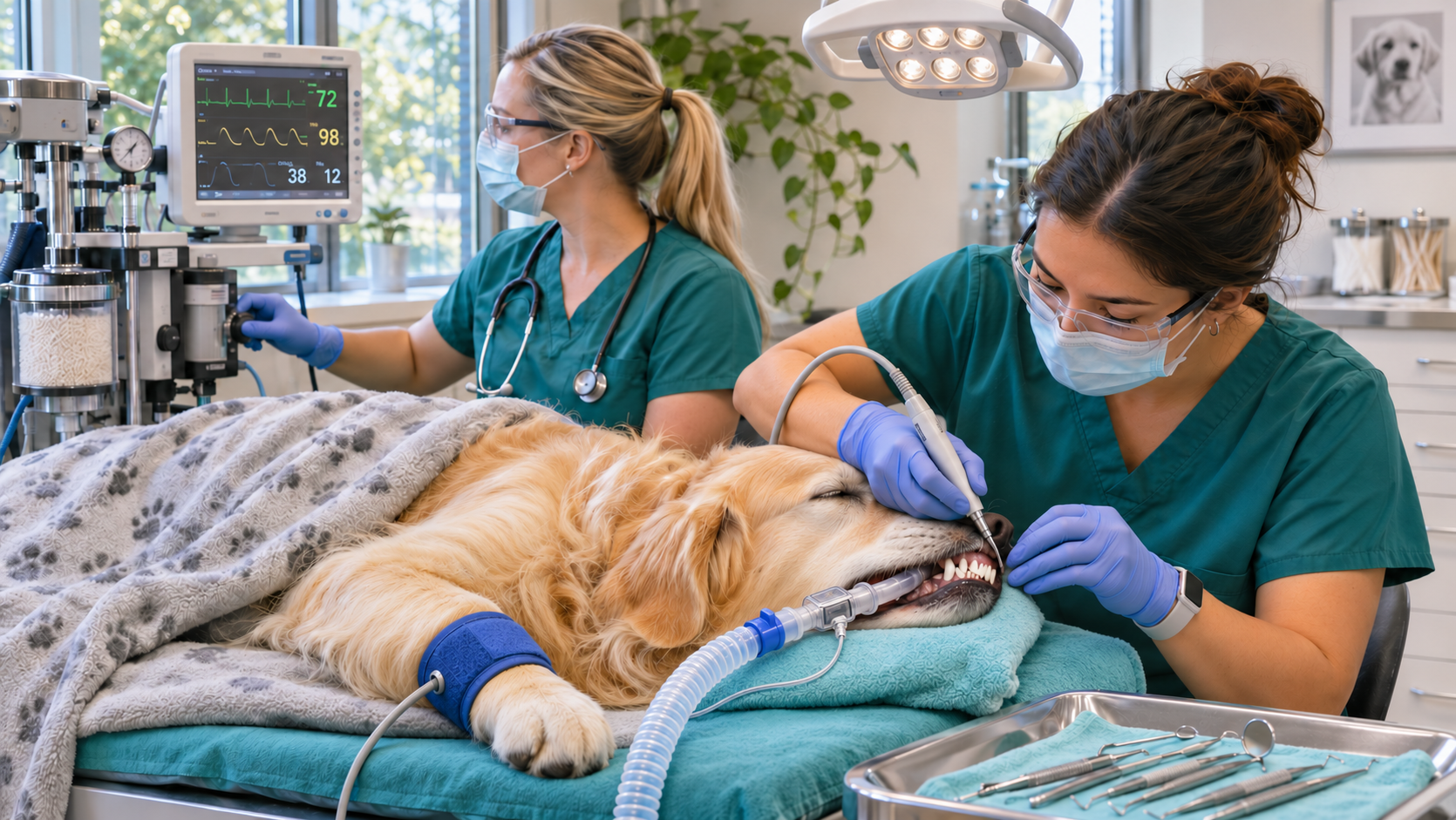
Nearly every surgery and every dental in a general practice runs through anesthesia. A tech who can induce, monitor and recover a patient safely is a big part of why the surgery schedule runs at all. When that tech is out sick, the whole day feels it.
Dentistry is the bigger opportunity. Periodontal disease is one of the most common problems we see, affecting an estimated 70 percent of cats and 80 percent of dogs over age 3. Yet dentistry is still a small slice of most practices' revenue. Industry estimates have put it at roughly 3 to 5 percent, while practice consultants argue it should be at least 10 percent.
That gap is not because the disease isn't there. Dental days are slow, hard to staff and hard to do well. A tech who takes good full mouth radiographs, charts accurately and keeps the patient safe under anesthesia at the same time is how a practice closes that gap. Practice owners notice that kind of value, and it is exactly what you can point to when you ask for more.
Skills worth building
Anesthesia
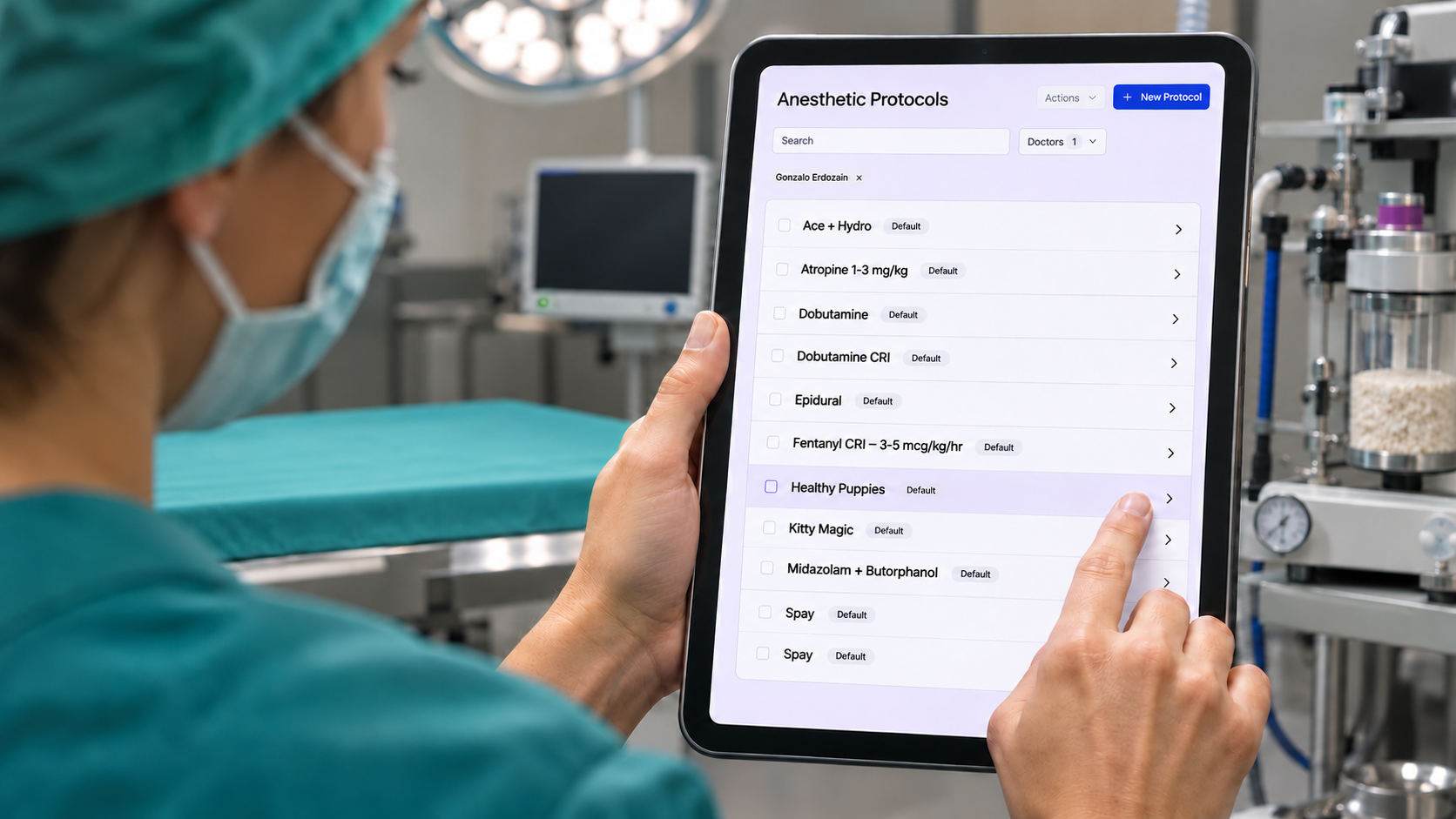
- Building an anesthetic plan with the DVM based on ASA status and the procedure.
- Reading capnography and blood pressure trends, not just single numbers.
- Recognizing hypotension, hypothermia and recovery complications early, and managing them with your DVM.
- Keeping a complete, real-time anesthesia record. The 2025 ACVAA guidelines ask teams to document key vitals every 5 minutes. I broke those down in ACVAA Anesthesia Monitoring Guidelines: Every 5 Minutes.
Dentistry
- Full mouth dental radiographs, positioned and labeled correctly.
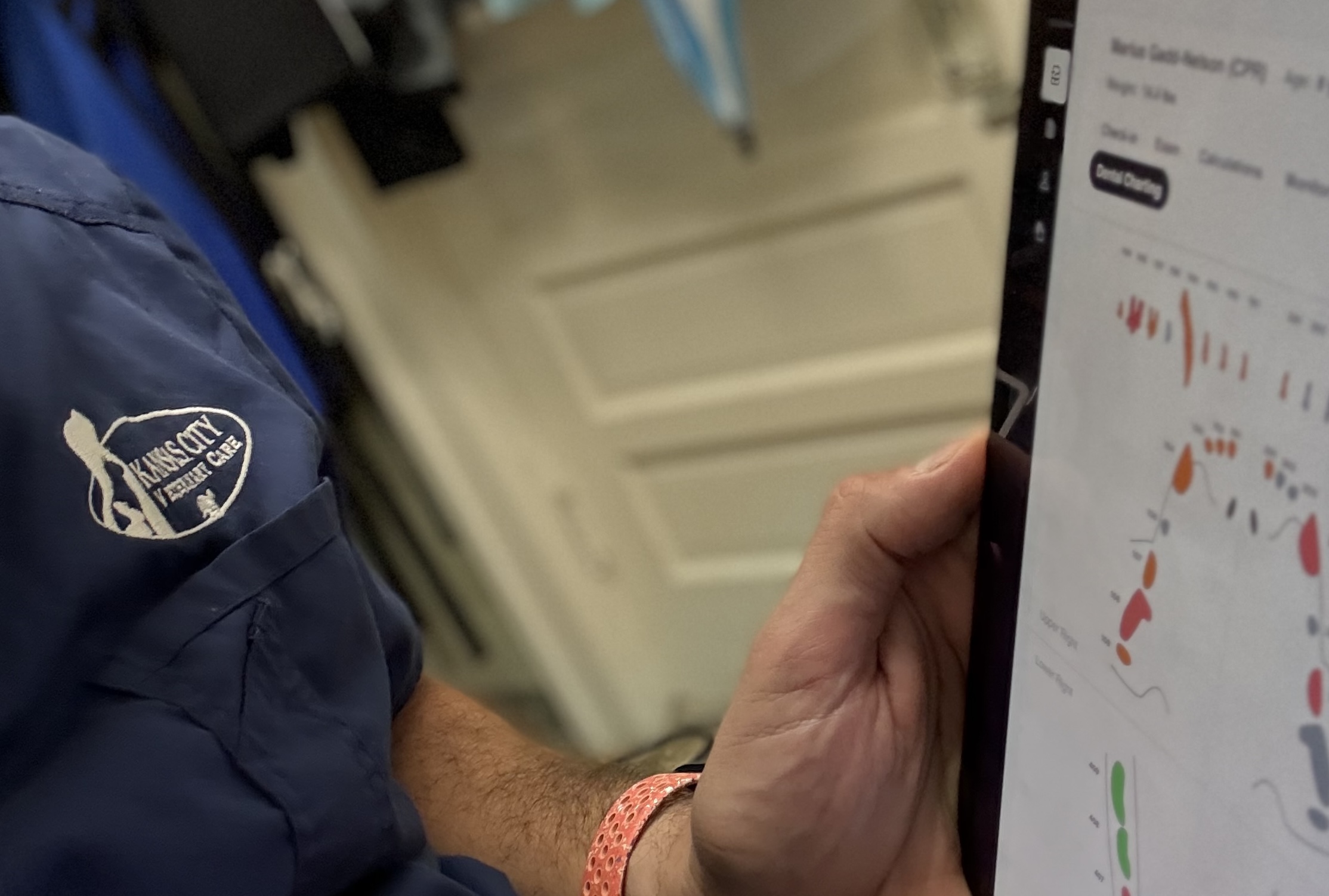
- Thorough periodontal probing and charting.
- Local nerve blocks, where your state practice act allows and your DVM delegates them.
- Assisting the DVM during extractions.
- Client discharge and home care education.
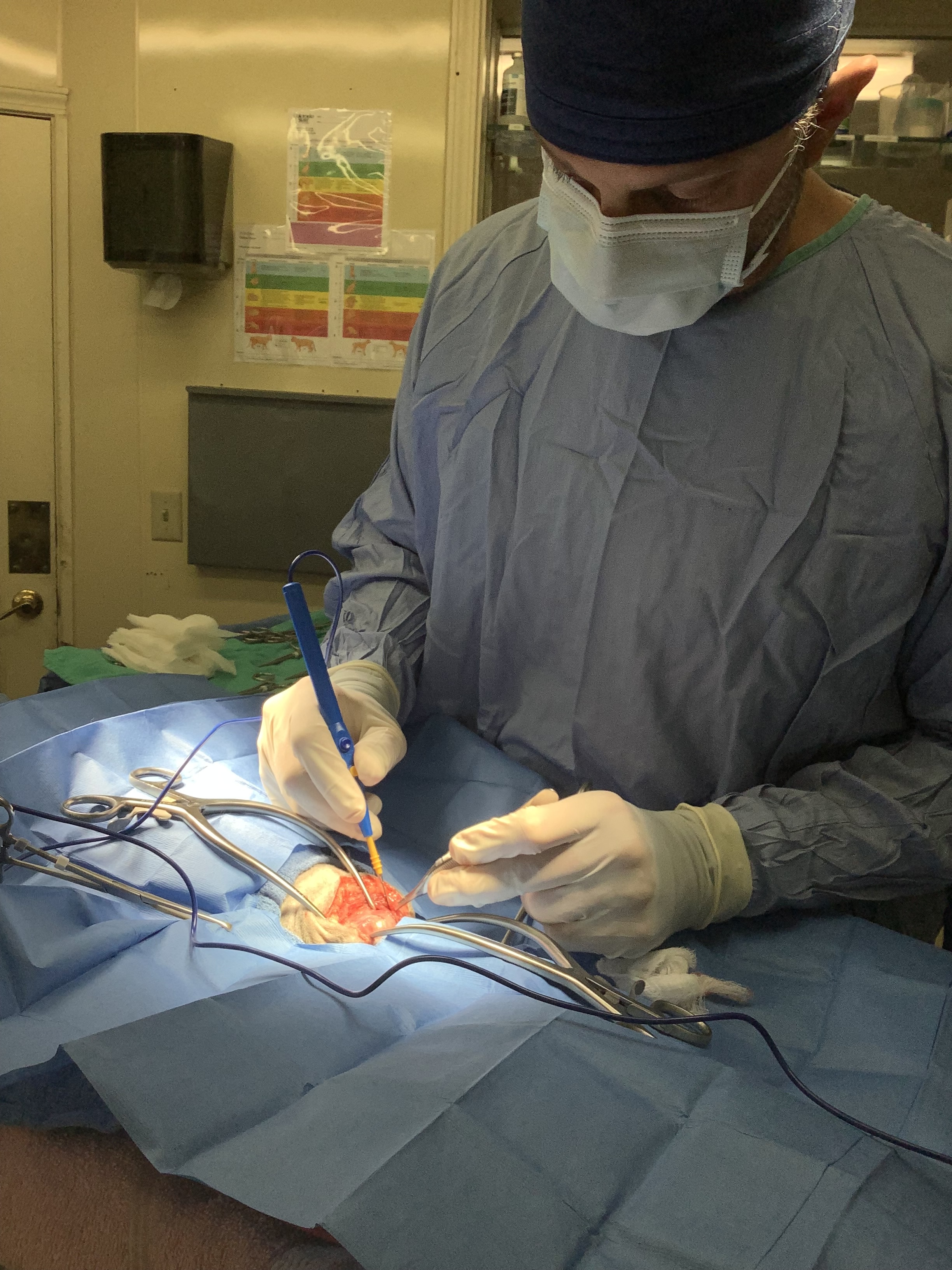
One clear line: extractions are oral surgery. The AVMA, AAHA and AVDC all say extractions should be performed only by veterinarians. The AVDT holds its members to that standard even in states whose practice acts would allow techs to extract. Your value in the dental suite is everything that makes the extraction go well: the radiographs, the chart, the block, the anesthesia and the recovery.
How to grow these skills
- Ask to be the anesthesia lead on surgery days for a month. Own the plan review, the monitoring and the recovery for every case. You learn more from cases you own start to finish than from cases you glance at between other tasks.
- Take CE on purpose. Many conferences offer dedicated anesthesia and dental tracks for techs. Pick one area for the year and go deep instead of sampling everything.
- Find a mentor. A tech at a specialty or referral hospital can teach you more in a day than a year of guessing.
- Look at the VTS path. The Academy of Veterinary Technicians in Anesthesia and Analgesia (AVTAA) requires at least 8,000 hours and 4 years as a credentialed tech, with most of those hours in anesthesia care, plus 40 hours of anesthesia CE. The Academy of Veterinary Dental Technicians (AVDT) runs a mentored process that AAHA describes as about 2 years. Even if you never apply, reading the requirements shows you what advanced practice looks like.
- Keep a case log. Track every anesthetic case and dental you run: species, ASA status, procedure, any complications and what you did about them. VTS applications require case logs, and it is your best evidence in a raise conversation.
Turning skills into pay
When you ask for a raise or interview for a new job, be specific. "I've gotten better at anesthesia" is easy to nod at and forget. Something like "I monitored every anesthetic case on surgery days last quarter, I set up our pre-induction alarm check, and I took over full mouth radiographs on dental days" gives your practice owner something real to respond to.
As someone who has been on the other side of that conversation, I can tell you concrete numbers are much easier to say yes to.
These skills also travel. If your current practice can't reward them, they make you a stronger candidate anywhere that does surgery and dentistry.
The bottom line
Anesthesia and dentistry are high-value, high-trust skills. Build them on purpose, document what you do, and they open doors.
Related reading: Staffing Anesthesia Safely During Veterinary Dentals and Beating Alarm Fatigue in Veterinary Anesthesia.
At Scout, we help techs keep thorough anesthesia and dental records without the paperwork drag, and give practices data on the work their surgery team does. See how Scout works for vet techs
Next from Scout