After an Anesthetic Death: Grief, Review and the Record

In 12 years of practice, I have lost three patients to anesthesia. None of them died on the table mid-surgery. One arrested before we had even intubated. The other two came through their procedures and died in recovery: one in the kennel while we were waiting for the right moment to extubate, the other during post-op radiographs.
That is why I believe monitoring cannot start at induction or stop when the last suture goes in. It has to cover the whole anesthetic event, before, during and after.
Ask any surgery tech or veterinarian about the worst day of their career and many will describe something similar: a case that seemed to be going well, right up until it wasn't.
Anesthetic deaths are rare, but they are not rare enough to be someone else's problem. I see threads about them again and again in veterinary communities online, usually from a tech or new grad who cannot stop replaying the case.
When anesthetic deaths actually happen
My own cases line up with the research: two of my three were in recovery. Many people picture anesthetic deaths happening during surgery, but the data tells a different story. The largest study of its kind, the Confidential Enquiry into Perioperative Small Animal Fatalities (CEPSAF), followed about 98,000 dogs and 79,000 cats across 117 UK practices. Deaths in the postoperative period made up 47% of anesthetic-related deaths in dogs and 61% in cats (Brodbelt et al., 2008).
Nearly half of those postoperative deaths happened within 3 hours of the end of anesthesia, a window when monitoring is often lighter (Portier and Ida, 2020). The CEPSAF authors concluded that better patient care after surgery could reduce fatalities.
That changes how we should grieve and review. The answers often sit in the recovery period, after the procedure is technically over.
The first 24 hours
The person who was monitoring often carries the heaviest weight, even when they did everything right. Here is what I recommend for the first day:
- Pull them off the floor if you can. Even 30 minutes away from patients matters.
- Say it out loud as the DVM. "This was not your fault" means more coming from the veterinarian than from anyone else.
- Do not start the review yet. Questions asked in the first hour feel like accusations, no matter how they are meant.
- Check in the next day. Grief often lands after the shift, not during it.
Why a review matters
Within a week, I recommend sitting down as a team and walking through the case. The goal is not to find who made a mistake. It is to answer two questions: what happened, and is there anything we would change next time?
A no-blame review only works if the team trusts the facts. That is where the anesthesia record becomes the most important document in the building.
What a good record gives you
When the record is complete, the team can see the story instead of arguing about it:
- When did vitals (heart rate, blood pressure) start to drift, and how fast?
- What were SpO2 and EtCO2 doing, and when did they change?
- Which drugs and doses were given, and at what times?
- What did the team notice, and what did they do about it?
- How long was the patient under before the event?
- What happened in recovery: vitals, temperature, and who checked the patient and when?
When the record is a handwritten sheet with gaps, the review turns into memory against memory. Whoever was in the room fills the gaps with guilt. That is exactly the wrong outcome.
Turning one bad day into better protocols
Most reviews end with small, practical changes: a pre-anesthetic checklist item, a lower threshold for calling the DVM over, a second person on higher-risk patients, or a rule that someone checks every recovering patient at set intervals for the first 3 hours. Write them down and share them. The team needs to see that the loss led to something.
And keep checking on the person who was monitoring. Some will want to talk; some will want to get back on the machine as soon as possible. Both are normal.
The bottom line
We cannot prevent every anesthetic death. We can make sure that when one happens, our teams have the support and the information to learn from it without breaking.
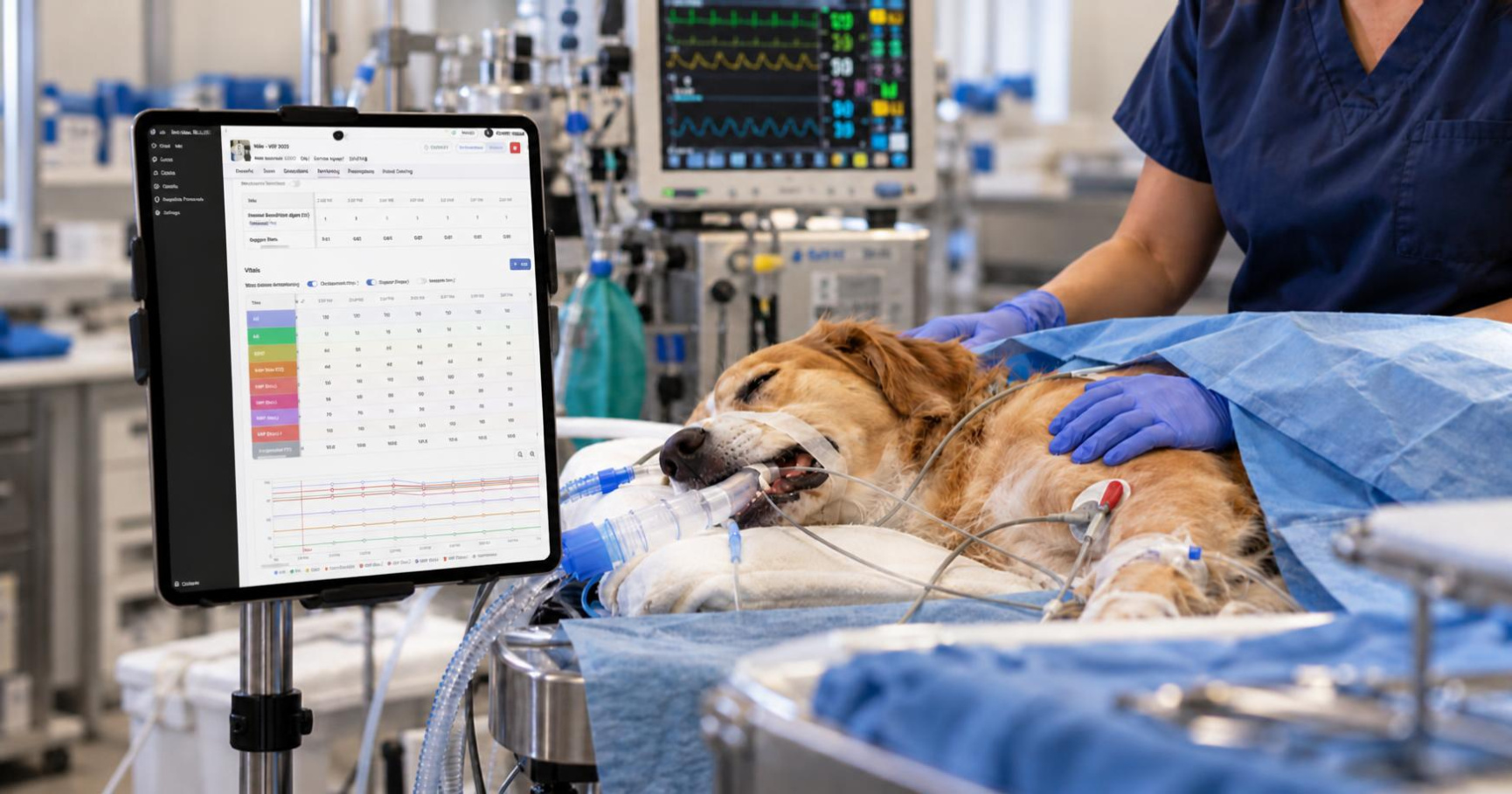
At Scout, we replace paper anesthesia sheets with a digital record that captures vitals, drugs and events in real time, so your team has a complete timeline when it matters most. Book a demo