How to Talk to Clients About Pet Anesthesia Risk
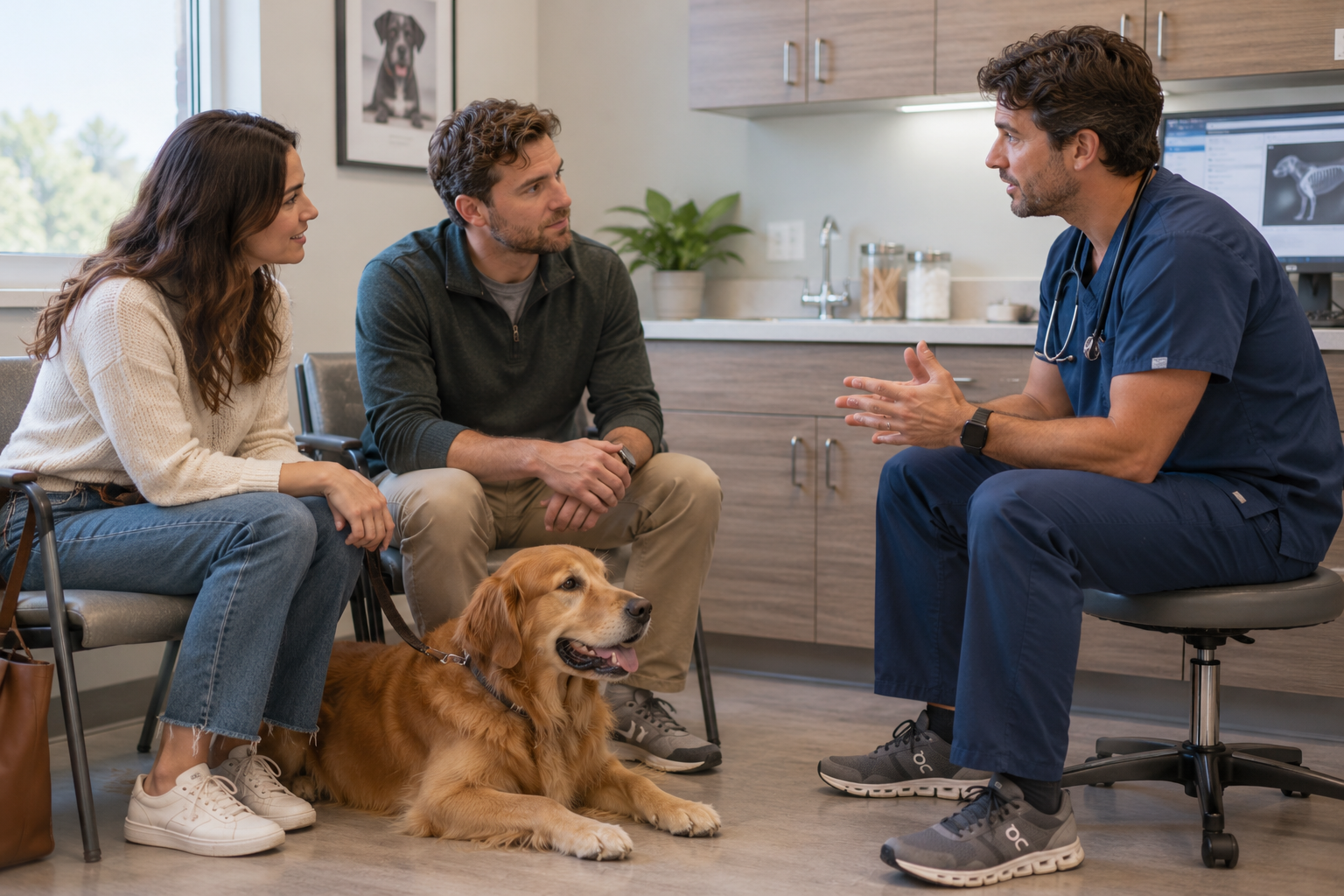
If you have been in practice for any length of time, you have heard it. A client looks at a dental estimate, pauses, and asks whether their pet will wake up. Some go ahead. Many decline, and the dental disease keeps getting worse.
In my view, the best answer is not "don't worry." It is an honest explanation of the risk and what your team does about it.
Start with real numbers
The largest study of anesthetic deaths in dogs and cats, the UK CEPSAF study, followed about 98,000 dogs and 79,000 cats. For healthy patients (ASA I and II), the risk of anesthetic-related death was about 0.05% in dogs (1 in 1,849) and 0.11% in cats (1 in 895). For sicker patients (ASA III to V), it was about 1.3% in dogs and 1.4% in cats (Brodbelt et al., 2008).
For most healthy pets, that means the risk is low but not zero. Saying so plainly builds more trust than vague reassurance.
Connect risk to the individual pet
Clients do not care about averages. They care about Bella. Tie the numbers to their pet:
- "Bella's bloodwork came back normal, which puts her in the lower risk group."
- "Max has a heart murmur, so we are adjusting his drugs and adding extra monitoring."
Explain what happens while they are gone
Most clients imagine a pet alone on a table. Paint the real picture:
- Before: an exam, bloodwork and an anesthetic plan built for their pet.
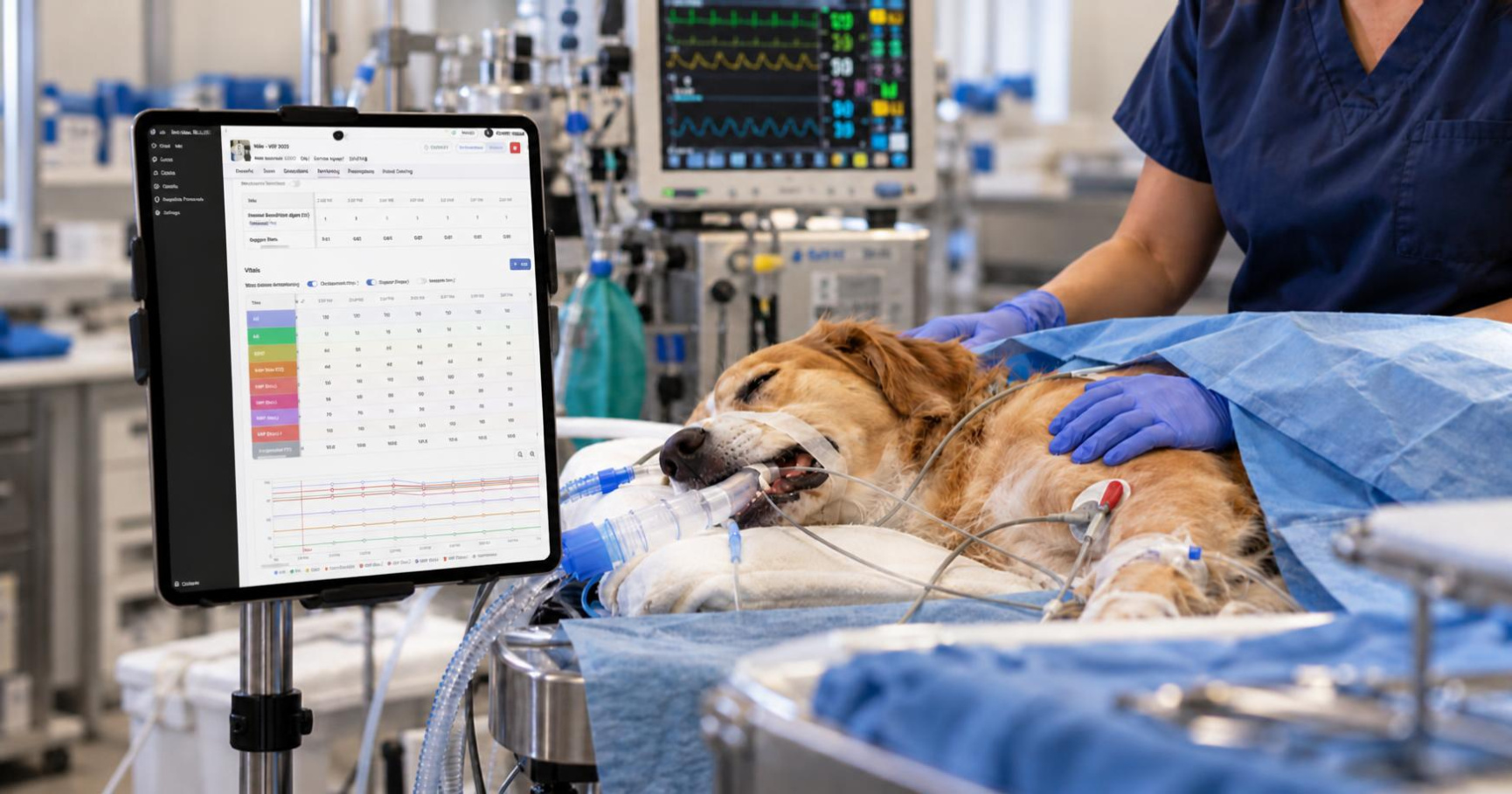
- During: an IV catheter, fluids, a breathing tube and a team member watching heart rate, blood pressure, oxygen, carbon dioxide and temperature the whole time.
- After: monitored recovery until the pet is awake and warm. Studies show recovery is the highest-risk window, so monitoring does not stop when the procedure ends.
Show, do not just tell
Some practices share a copy of the anesthesia record at discharge, or a simple summary of vitals. Seeing a steady line of readings every few minutes reassures owners that someone was watching.
Do not forget the cost of saying no
Owners weigh anesthesia risk against nothing. I always recommend reminding them, gently, what untreated dental disease means: pain, infection and tooth loss. The real choice is between two risks.
A script I like
"Anesthesia always carries some risk, and we take it seriously. For a healthy pet like Bella, the risk is low. We do bloodwork first, build a plan just for her, and a dedicated team member monitors her the entire time. You will get a report of how she did."
The bottom line
Honest numbers, a personal plan and proof of monitoring turn a scared "no" into a confident "yes."
At Scout, we produce clean, shareable anesthesia records that make it easy to show clients exactly how their pet was cared for. See how it works